What happens to a mortgage when a homeowner dies in Florida
By Petra Vogel · Updated 2026-08-08
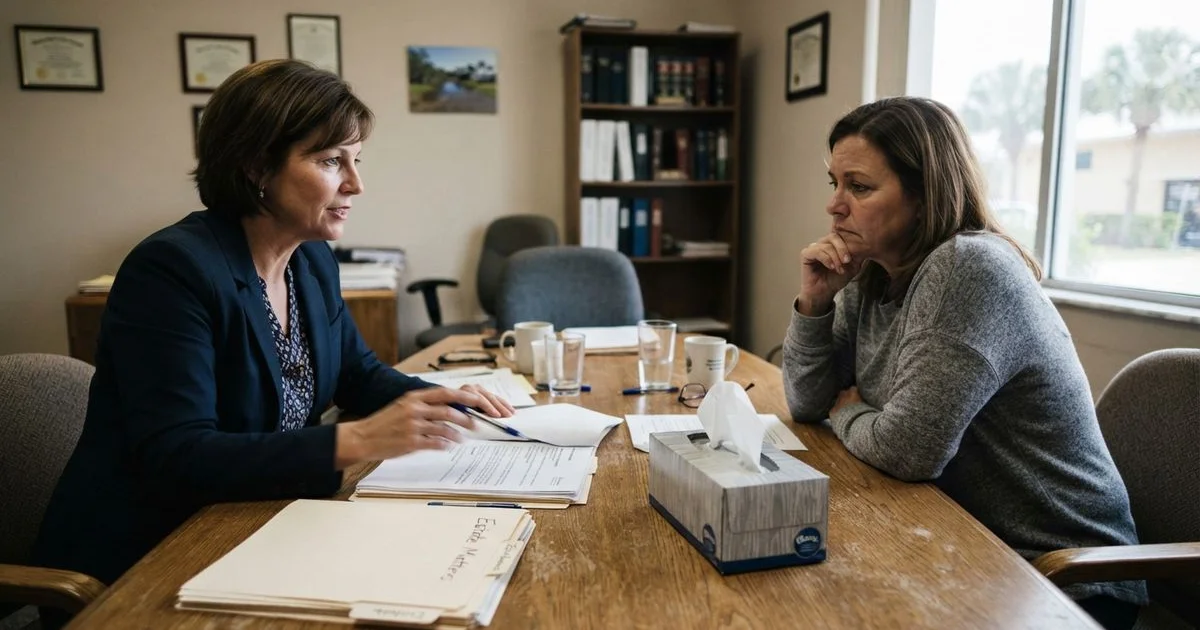
A homeowner’s death raises a practical, urgent question for surviving family members: what happens to the mortgage now. In Florida, the answer depends on the estate, the heirs’ intentions, and how quickly someone steps in to communicate with the servicer. This guide covers the basics.
This is general information about how these situations commonly work, not legal advice for a specific estate or probate matter. An attorney handling the estate, along with a real estate or foreclosure attorney if needed, can give guidance specific to your circumstances.
The debt doesn’t disappear
A mortgage is a debt tied to the property, not a personal obligation that ends at death in the way some other debts might be treated differently. The loan generally remains attached to the home and continues to accrue payments due, whether or not anyone is actively living there. If no one continues making payments, the loan can eventually go into default just as it would for any other borrower.
Who is generally responsible
Responsibility typically flows through the estate and, if applicable, whichever heir intends to keep the property. A surviving spouse who was also on the mortgage, or who lives in the home, is often in the most straightforward position to continue payments directly. Other heirs inheriting the property through a will or through Florida’s intestacy laws may need to either continue payments, sell the property, or work out a resolution with the servicer, depending on what they want to do with the home.
Protections for heirs stepping in
Federal rules generally prevent a mortgage servicer from calling a loan due, or requiring a full refinance, purely because the original borrower died, as long as an eligible surviving family member is taking over occupancy and payments. In practice, this means many heirs can continue making payments under the existing loan terms, or formally assume the loan, rather than needing to qualify for a brand-new mortgage right away.

Common paths forward
| Situation | Common next step |
|---|---|
| Surviving spouse wants to keep the home | Continue payments directly, contact servicer to update account |
| Heir wants to keep the home | Contact servicer about assuming the loan or continuing payments |
| No heir wants the home | Consider selling the property or a deed in lieu of foreclosure through the estate |
| No one is managing the estate promptly | Risk of missed payments and eventual default increases |
| Reverse mortgage was in place | Loan generally becomes due, and heirs typically need to repay, refinance, or sell within a set window |
What to do in the first few weeks
Time matters here mainly because payments don’t pause automatically just because probate is underway. A few steps tend to help: notify the mortgage servicer of the death promptly, request information about the account and any assumption process, determine whether the estate or an heir intends to keep the property, and keep making payments if at all possible while these decisions get sorted out. If the estate is complex or heirs disagree about what to do with the property, involving a probate attorney early can prevent the mortgage situation from being neglected during the broader estate process.
When foreclosure risk is already on the table
If payments have already lapsed and a notice of default or lawsuit has arrived addressed to the estate or an heir, the situation generally follows the same foreclosure process as any other case, just layered on top of estate administration. A firm in this directory’s real estate law category can help sort out both the property and mortgage questions together. You can review how firms are ranked on the ranking method page, or explore the full directory from the homepage.
Heirs who let a mortgage lapse all the way into a completed foreclosure sale can also face a deficiency claim afterward; see Can a lender come after you after foreclosure in Florida? for how that works.
Probate and the mortgage often move on different tracks
It’s easy to assume that once probate is opened, the mortgage question is automatically being handled as part of it, but that’s not always the case. Probate addresses how the estate’s assets, including the home, get distributed among heirs, while the mortgage servicer operates independently and generally doesn’t wait for probate to conclude before expecting payments or pursuing default if none are made. Keeping these two processes visible side by side, rather than assuming one covers the other, helps prevent a mortgage default from surfacing unexpectedly in the middle of an otherwise orderly probate case.
When multiple heirs disagree
Disagreement among heirs about whether to keep or sell an inherited home is common, and it can stall decisions right when the mortgage needs attention most. If heirs can’t agree quickly, it’s often worth at least keeping the mortgage current or in a formal forbearance while the larger disagreement gets resolved, rather than letting the account lapse into default as a side effect of an unrelated family dispute.
Questions people ask
- Does a mortgage automatically get paid off when the homeowner dies?
- No. A mortgage generally survives the homeowner's death and continues to be owed by the estate or, in some cases, an heir who wants to keep the property, unless a specific life insurance or mortgage protection policy pays it off.
- Can the lender call the loan due immediately because the owner died?
- Federal law generally prevents a lender from automatically accelerating or calling a mortgage due solely because the borrower died, as long as an eligible heir or relative is stepping in and continuing to make payments.
- Can an heir take over the mortgage without formally refinancing it?
- In many cases, yes. Federal rules generally allow certain heirs to be added to or assume the existing mortgage, or continue payments in their own name, without triggering a due-on-sale clause, though the specific process depends on the servicer.
- What happens if no one keeps up with payments after the owner dies?
- If payments stop and no one addresses it, the loan can eventually go into default and the servicer can pursue foreclosure, generally following the same notice and lawsuit process as any other default.