Hurricane damage and mortgage hardship: relief options for Florida homeowners
By Petra Vogel · Updated 2026-08-04
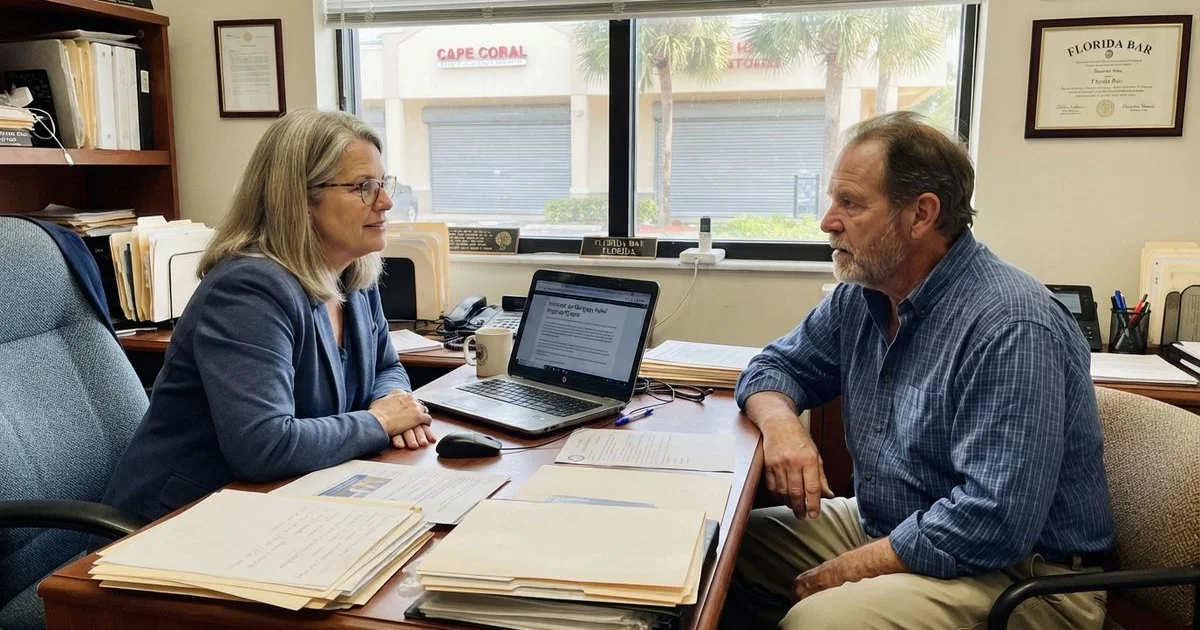
Cape Coral Metro sits in a part of Florida where hurricane season isn’t an abstract risk, it’s a recurring reality that can upend a household’s finances overnight. Storm damage, temporary displacement, or a job disruption after a major storm can make a mortgage payment suddenly hard to manage. This guide covers the relief options generally available and how to approach a servicer after a storm.
This is general information about how hurricane-related mortgage relief typically works, not a guarantee of any specific program or legal advice. Terms vary by servicer, loan type, and whether a federal disaster declaration applies to your area.
Why acting quickly after a storm matters
Mortgage servicers generally have more flexibility to help before a payment is missed than after a loan has already gone into default. Reaching out proactively, even before you’re sure how bad the financial impact will be, tends to open more doors than waiting until payments have already lapsed.
Common relief options after a disaster
- Disaster forbearance. Many servicers offer a temporary pause or reduction in payments following a federally declared disaster, often without the paperwork burden of a standard hardship application.
- Loan modification. If the hardship is longer-term, such as a home requiring extensive repair, a modification can restructure the loan terms going forward.
- Insurance claim coordination. If your home has a mortgage, insurance proceeds for major damage are often made payable jointly to you and the lender, and the lender may need to be involved in releasing repair funds.
- FEMA and state disaster assistance. Federal and state disaster aid programs can provide grants or low-interest loans that help bridge a gap, separate from anything your mortgage servicer offers.
- Repayment plans after forbearance ends. Once a forbearance period ends, servicers typically work out how the paused amount gets repaid, whether spread over time, added to the loan balance, or handled another way.

How this interacts with foreclosure risk
If a hurricane hardship happens while a foreclosure case is already underway, or pushes a previously current loan into default, the same general foreclosure timeline and process applies once a lawsuit is filed. Getting ahead of the servicer conversation, and documenting every request and response in writing, can matter a great deal if the situation later needs to be explained to a court or a modification underwriter.
| Situation | Common next step |
|---|---|
| Storm damage, loan still current | Call servicer about disaster forbearance before missing a payment |
| Already missed payments due to storm impact | Request hardship review and ask about retroactive relief programs |
| Home uninhabitable, insurance claim pending | Coordinate with both insurer and servicer on repair fund release |
| Foreclosure lawsuit already filed | Hardship relief may still be possible, but the court case needs separate attention |
What to have ready when you call your servicer
Having a few things ready before you call tends to speed things up: your loan number, a general description of the hardship and when it started, your current income situation, and any insurance claim number if applicable. Servicers generally have a specific disaster relief or loss mitigation department, and asking for that department directly can save time compared to a general customer service line.
When to bring in an attorney
If a servicer isn’t responding to disaster relief requests, is pushing you toward a lawsuit despite a legitimate hardship, or the hardship has already progressed into missed payments and legal risk, an attorney can help push the process along or evaluate your broader options. A firm in this directory’s loan modification category can review your situation and the relief programs actually available to you. You can see how firms are ranked on the ranking method page, or explore more from the homepage.
Keeping a paper trail through the recovery period
Storm recovery is chaotic by nature, and it’s easy to lose track of who you spoke with and what was agreed to while also dealing with repairs, insurance adjusters, and displaced family members. Keeping even a simple log, dates, names, and what was promised, for every call to your servicer, insurer, or a disaster assistance program can matter significantly later if a relief agreement needs to be enforced or a dispute comes up about what was actually approved.
Storm recovery is also when foreclosure rescue scams tend to target stressed homeowners, so it’s worth knowing the warning signs before you sign anything from an unsolicited “helper.”
Repeated storms and cumulative hardship
Cape Coral Metro homeowners who’ve weathered more than one significant storm sometimes find that hardship compounds: a partially repaired roof from an earlier storm makes a later one worse, or insurance claims from consecutive years complicate a servicer’s hardship review. If your situation involves more than one storm event, it’s worth explaining that full history to your servicer and any attorney you consult, since a hardship review based on a single, isolated event may not reflect the actual financial picture you’re facing.
Questions people ask
- Can my mortgage servicer pause my payments after a hurricane?
- Many servicers offer a temporary forbearance after a federally declared disaster, pausing or reducing payments for a set period. Terms vary by servicer and loan type, so it's worth calling directly rather than assuming a specific outcome.
- Does forbearance mean the missed payments disappear?
- Generally no. Forbearance pauses collection pressure, but the paused amount typically still needs to be repaid later, whether through a repayment plan, a modification, or added to the end of the loan, depending on what the servicer agrees to.
- What if my home is uninhabitable after the storm?
- Insurance proceeds, FEMA assistance, and servicer hardship programs can all play a role, and how they interact with your mortgage depends on your specific insurance coverage and loan terms. Contacting your servicer early to explain the situation is an important first step.
- Will asking for hurricane relief hurt my credit?
- Programs tied to a federally declared disaster are often designed to avoid standard late-payment credit reporting during the relief period, but this depends on the specific program and servicer, so confirm the reporting terms before assuming your credit is unaffected.