Signs a debt collector is violating your rights in Florida
By Petra Vogel · Updated 2026-07-25
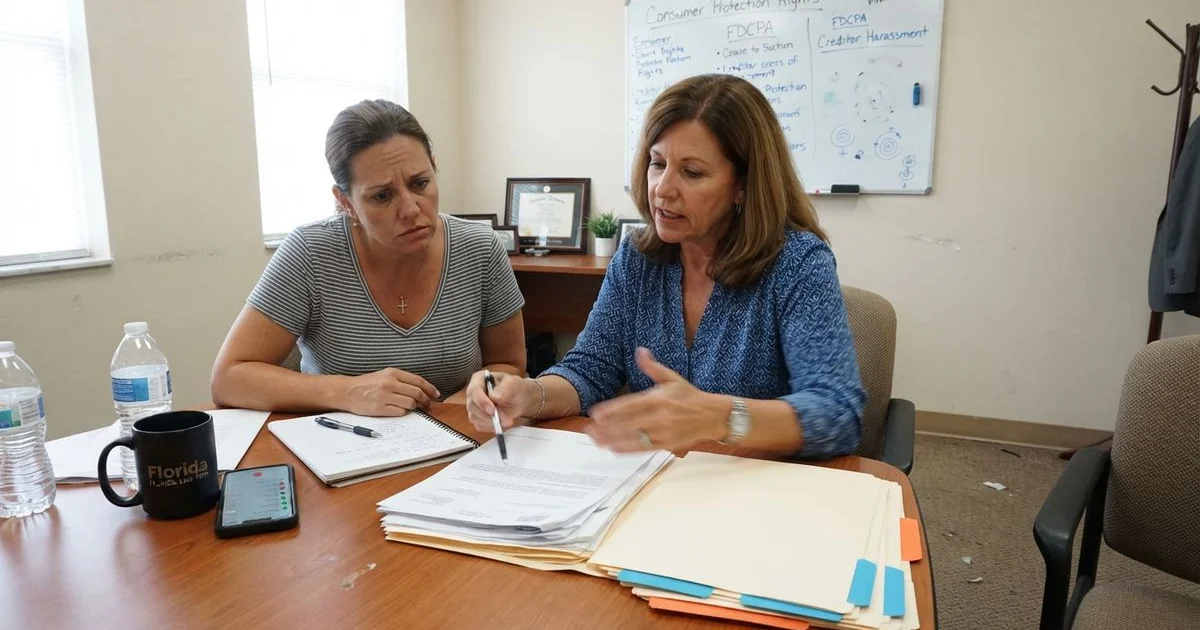
Debt collectors have real limits on how they can pursue you, but a lot of homeowners and borrowers in Florida don’t realize which behaviors actually cross a legal line. This guide covers the most common warning signs and what to do if you see them.
This is general information, not legal advice about your specific situation. If you think your rights have been violated, an attorney can evaluate the details of your case.
Where these protections come from
Federal law places real restrictions on third-party debt collectors and debt buyers, covering things like when and how often they can contact you, what they can say, and who else they can talk to about your debt. Florida also has its own consumer protection statute covering similar ground, sometimes with additional restrictions on top of the federal rules. Together, these laws exist because collection practices used to be far more aggressive and less transparent than what’s allowed today.
Common signs of a violation
- Calls at unreasonable hours, generally outside the roughly 8 a.m. to 9 p.m. window in your time zone.
- Repeated calls clearly meant to harass, rather than to reach you for a legitimate purpose.
- Threats to take action the collector doesn’t actually intend to take, such as threatening arrest for an unpaid debt, which is not a real consequence for most consumer debts.
- Discussing your debt with your employer, neighbors, or other third parties, beyond simply trying to locate you.
- False statements about the amount owed, or misrepresenting who they are or what agency they work for.
- Continuing to contact you after you’ve sent a written request to stop, when the law generally requires them to cease most further communication.
- Failing to validate the debt when you’ve formally requested proof that you actually owe it and to whom.
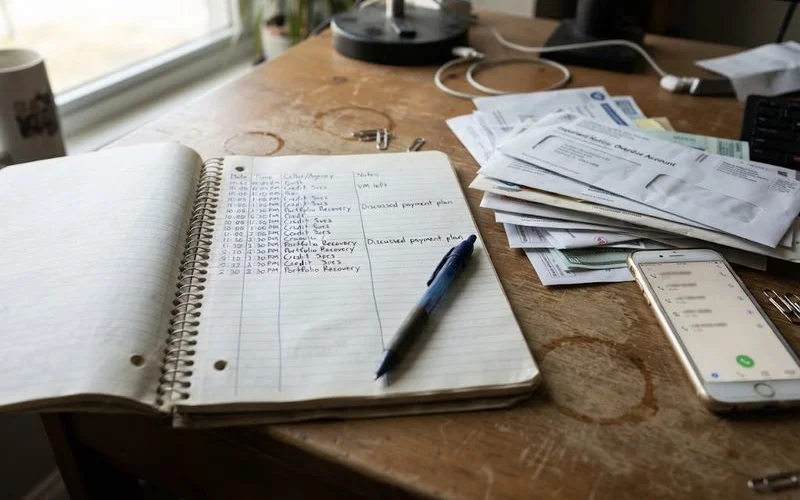
What to do if you notice one of these
- Write down every detail, including the date, time, phone number, what was said, and who you spoke with.
- Send a written dispute or validation request if you’re unsure the debt is legitimate or the amount is correct.
- Send a cease-communication letter if you want contact to stop, and keep a copy along with proof it was sent.
- Don’t admit to owing the debt verbally without confirming it’s accurate first, since anything you say can be used later.
- Consult an attorney if the behavior continues or seems serious, since some violations can entitle you to statutory damages in addition to stopping the harassment.
Not every unpleasant call is a violation
It’s worth being realistic here. A collector calling once a day during business hours to ask about a legitimate debt isn’t, on its own, illegal, even if it’s unwelcome. The line is usually crossed with frequency that looks like harassment, false or misleading statements, contact with third parties beyond locating you, or continuing contact after a proper written request to stop. Knowing that distinction helps you focus on genuine violations rather than every uncomfortable interaction.
| Behavior | Generally allowed | Generally a red flag |
|---|---|---|
| Calling during daytime hours about a real debt | Yes | - |
| Calling repeatedly, multiple times a day, every day | - | Often crosses the line |
| Asking a third party for your phone number | Yes, if limited to locating you | Discussing the debt itself with them |
| Threatening a lawsuit the collector may actually file | Often allowed if true | Threatening arrest or jail |
| Continuing contact after a written stop request | - | Generally a violation |
When to bring in an attorney
If a pattern of aggressive or misleading collection behavior fits what’s described above, an attorney who works with debt collection defense can review your records, tell you whether a legal claim exists, and in many cases pursue it without upfront cost to you if the case has merit. Firms in this directory’s debt collection defense category handle this kind of case regularly. You can review how firms are scored on the ranking method page, or browse the wider directory from the homepage.
Debt collection trouble often shows up alongside a looming foreclosure. If you’re also trying to gauge your timeline, the guide on how long you have before a foreclosure sale in Florida walks through what typically extends or shortens that clock.
Questions people ask
- Can a debt collector call me at any hour they want?
- No. Federal law restricts collection calls to a specific window, generally between 8 a.m. and 9 p.m. in your time zone, and repeated or harassing calls outside reasonable limits can itself be a violation.
- Can a collector contact my employer or family about my debt?
- Generally a collector can contact third parties only to locate you, not to discuss the debt itself, and they typically cannot reveal that you owe a debt to anyone other than you, your spouse, or your attorney.
- What can I do if I think a collector has violated the law?
- You can send a written dispute or cease-communication letter, keep records of every contact, and consult an attorney about whether the conduct supports a legal claim, which in some cases can result in the collector owing you damages.
- Does this apply to my original mortgage lender too?
- Federal debt collection protections mainly apply to third-party debt collectors and debt buyers rather than the original creditor collecting its own debt, though other consumer protection laws can still apply to the original lender's conduct.