What happens during a Chapter 13 bankruptcy case, step by step
By Petra Vogel · Updated 2026-07-30
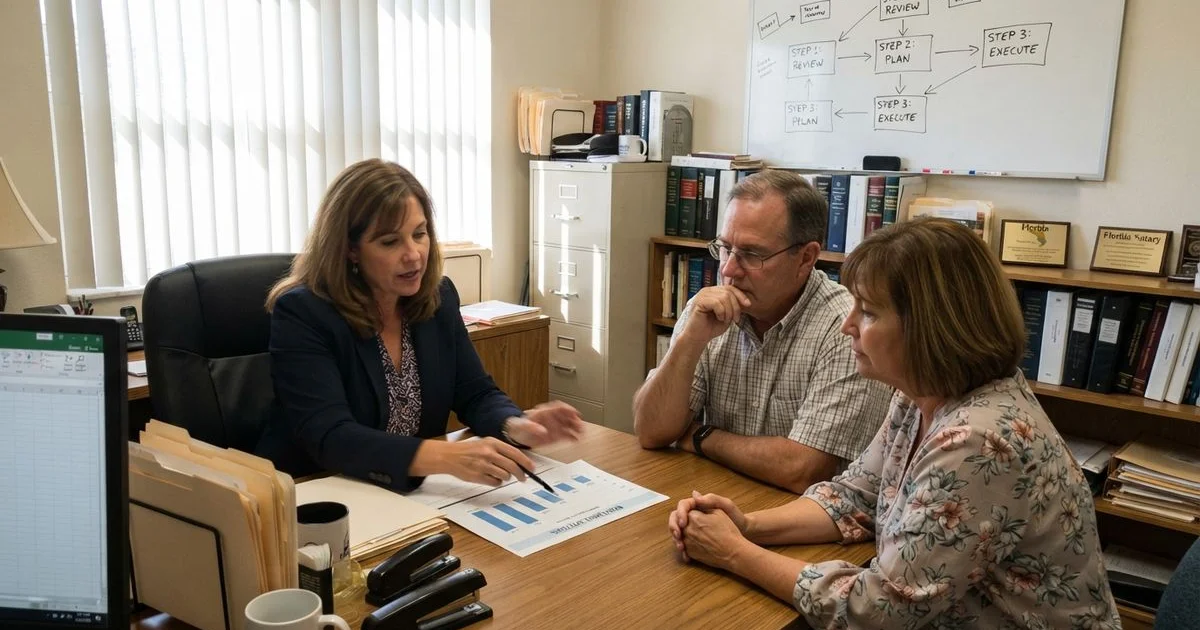
Chapter 13 bankruptcy has a reputation for being complicated, and the paperwork can certainly feel that way, but the underlying process follows a fairly consistent sequence. This guide walks through what actually happens after a Chapter 13 case is filed in Florida, particularly for homeowners using it to deal with mortgage arrears.
This is general information about how the process typically works, not legal or financial advice for your specific case. A bankruptcy attorney can walk through your income, debts, and goals in detail.
Why homeowners use Chapter 13 specifically
Unlike Chapter 7, which can involve liquidating certain assets to pay creditors, Chapter 13 is built around a repayment plan that lets you keep your property while catching up on missed payments over time. For a homeowner behind on a mortgage, that structure can be the difference between losing the home and getting a structured path back to current.
The process, stage by stage
- Credit counseling. Before filing, you generally need to complete an approved credit counseling course.
- Filing the petition. This is the formal start of the case and immediately triggers an automatic stay, which pauses most collection actions, including a scheduled foreclosure sale.
- Proposing a repayment plan. You and your attorney draft a plan showing how you’ll pay creditors over three to five years, including catching up on any mortgage arrears.
- Meeting of creditors. A required hearing, generally informal, where the bankruptcy trustee and any creditors can ask questions about your finances and the plan.
- Plan confirmation. A judge reviews and approves (or requires changes to) the proposed plan at a confirmation hearing.
- Making plan payments. You make regular payments to the trustee, who distributes them to creditors according to the plan, typically for three to five years.
- Ongoing mortgage payments. In most home-related cases, you also need to keep making your regular ongoing mortgage payment outside the plan, in addition to catching up on the arrears through the plan.
- Discharge. After successfully completing the plan, remaining eligible debts are discharged, and the case closes.
How this interacts with a foreclosure case already underway
If a foreclosure lawsuit is already pending when you file, the automatic stay generally pauses that case too, though the lender’s attorney can ask the court to lift the stay in certain situations, such as if payments aren’t being made as required. This is one reason timing matters: filing before a scheduled sale date is generally far more useful than filing after one.
| Stage of your case | What Chapter 13 can do |
|---|---|
| Before a lawsuit is filed | Can prevent a foreclosure filing if arrears are addressed through the plan |
| Lawsuit filed, no judgment yet | Automatic stay generally pauses the case while the plan proceeds |
| Judgment entered, sale scheduled | Automatic stay can pause the scheduled sale if filed in time |
| Sale already completed | Bankruptcy generally cannot undo a completed sale |
What can go wrong
The most common issue is falling behind on plan payments or the ongoing regular mortgage payment after filing. Both matter, and missing either can put the case at risk. Another frequent misstep is underestimating expenses or income when the plan is first proposed, which can make a plan unrealistic from the start and harder to maintain over three to five years.
A less obvious problem is missing required paperwork or deadlines around the meeting of creditors and plan confirmation. The trustee’s office generally expects tax returns, pay stubs, and other documentation on a set schedule, and gaps in that paperwork can delay confirmation or draw extra scrutiny to the case.
What happens if the case doesn’t finish successfully
Not every Chapter 13 case makes it all the way to discharge. If plan payments stop and the case is dismissed, the automatic stay generally ends along with it, which means a paused foreclosure could resume from roughly where it left off. Some homeowners in that position convert to Chapter 7 if that better fits their circumstances, while others try to negotiate a modified plan with the trustee before dismissal happens. Talking to your attorney the moment a payment becomes difficult, rather than after it’s already missed, is usually the difference between fixing the plan and losing its protection entirely.
Deciding if this is the right path
Chapter 13 isn’t the right fit for everyone facing foreclosure. Whether it makes sense depends on your income stability, how much you’re behind, and whether you genuinely want to keep the home rather than pursue a sale. A bankruptcy attorney from this directory’s bankruptcy law category can review your numbers and tell you honestly whether a workable plan is realistic. You can see how firms are evaluated on the ranking method page, or explore more of the directory from the homepage.
Questions people ask
- How long does a Chapter 13 case typically last?
- A Chapter 13 repayment plan generally runs three to five years, depending on your income and the specifics of your case, rather than resolving in a single court date like Chapter 7 often does.
- Does filing Chapter 13 stop a foreclosure sale?
- Filing generally triggers an automatic stay that pauses most collection actions, including a scheduled foreclosure sale, giving you time to catch up on mortgage arrears through the repayment plan.
- Do I keep my house during a Chapter 13 case?
- In most cases, yes, as long as you keep up with the plan payments and any ongoing regular mortgage payments, since Chapter 13 is often used specifically to catch up on missed payments over time rather than give up the home.
- What happens if I miss a plan payment?
- Missing payments can put the case at risk of dismissal, which would remove the automatic stay's protection and could allow a paused foreclosure to resume. Contacting the trustee or your attorney quickly if you're struggling with a payment is important.